

Marsha's Second Chance
Almost 13 Years Sober
When Marsha was 14 years old, she lost her father.
His death was shaped, in part, by years of alcoholism before he eventually found sobriety. At a young age, Marsha witnessed firsthand how addiction can impact not only the person struggling, but also the people who love them most.
Years later, she found herself facing a crossroads of her own.
By 22, Marsha was a young mother raising her oldest son and battling a growing dependence on alcohol. She remembers reckless decisions, blacked-out memories, and a life that felt increasingly out of control.
"I was going to end up in jail or dead if I didn't stop," she says.
At the time, she was struggling with her mental health and didn't know where to turn. Like so many others, alcohol became a temporary escape. But eventually, she realized it wasn't solving her problems. It was only covering them up.
The turning point came when she looked at her son.
She wanted to be present.
She wanted to remember his childhood.
She wanted to face her mental health head-on instead of numbing it away.
Most of all, she wanted to become the mother her children deserved.
So she quit.
The decision changed everything.
Sobriety wasn't easy. At 22 years old, many of the people around her were embracing the party and bar scene. While others were diving deeper into that lifestyle, Marsha was walking away from it.
In the process, she lost many of the friendships she once had.
But she gained something far more valuable.
She gained herself.
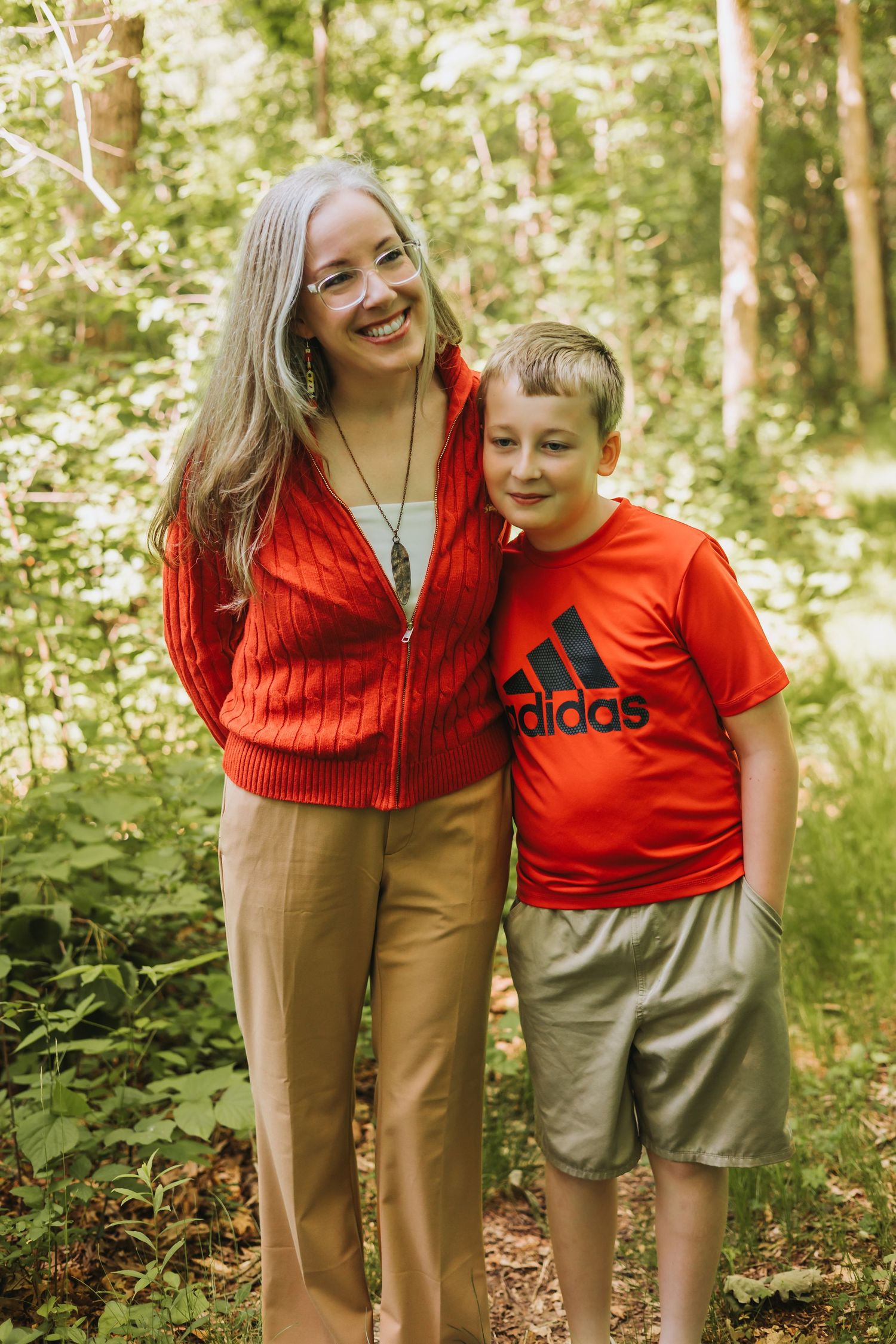
Today, Marsha is a single mother raising two boys, ages 15 and 9. Together, they spend their time exploring museums, visiting new cities, enjoying the outdoors, and creating memories she can fully experience and remember.
She is passionate about music and theater and dedicates time to supporting Native American organizations and community events. She has also become a Reiki Master, using her own experiences to help others find healing and growth.
When asked what she's most proud of since beginning her sobriety journey, her answer isn't measured in years.
It's measured in resilience.
"My resilience to keep focused and balanced even when tough times happen. I tell myself that if I could stop drinking, I can handle one day of stress."
Nearly 13 years later, that mindset continues to carry her through life's challenges.
She wants people to understand that alcohol doesn't make someone more fun, stronger, or more capable. It doesn't make problems disappear. Instead, it often damages relationships, including the relationship we have with ourselves.
For those who are currently struggling, Marsha has a message:
"It's never too late. Many people don't quit because they're overwhelmed by guilt for who they've been or decisions they've made. Self-forgiveness is a very powerful thing, and it's needed to thrive."
Today, Marsha's goals are simple but meaningful. She is focused on becoming the best version of herself, exploring her gifts and talents, and continuing to grow one day at a time.
When asked how sobriety changed her life, her answer is short, honest, and powerful:
"It has kept me alive."
And when asked what a second chance means to her?
"The opportunity to move toward my dreams without the burden of alcohol weighing me down."
For nearly 13 years, Marsha has done exactly that.
She chose healing.
She chose presence.
She chose her children.
She chose herself.
And every day since, she has continued choosing a life worth remembering.
____________________________
Reflections from the Photographer
When I first read Marsha's application, one thing immediately stood out to me: her commitment to being present.
So much of her story revolves around choosing presence over escape, memories over blackouts, and growth over staying stuck. Nearly 13 years ago, she made a decision that would not only change her own life, but the lives of her children as well.
As a photographer, I meet a lot of people who spend their lives caring for everyone around them while rarely taking time for themselves. Marsha struck me as one of those people. She describes herself as selfless, and throughout her application, that became clear. Her children, her family, her community, and helping others all seem to come before herself.
One answer in particular stayed with me after I finished reading her story.
"It would empower me to see myself happy in pictures."
As photographers, we often talk about preserving memories for others. But sometimes the person who deserves to be remembered is the one standing behind the camera, caring for everyone else.
I hope this experience allows Marsha to see herself the way so many others already do: resilient, strong, compassionate, and worthy of celebration.
Marsha's story is proof that recovery isn't just about what we leave behind. It's about what we gain in return.
Thank you, Marsha, for trusting The Second Chance Project with your story.
Xo, Tierney