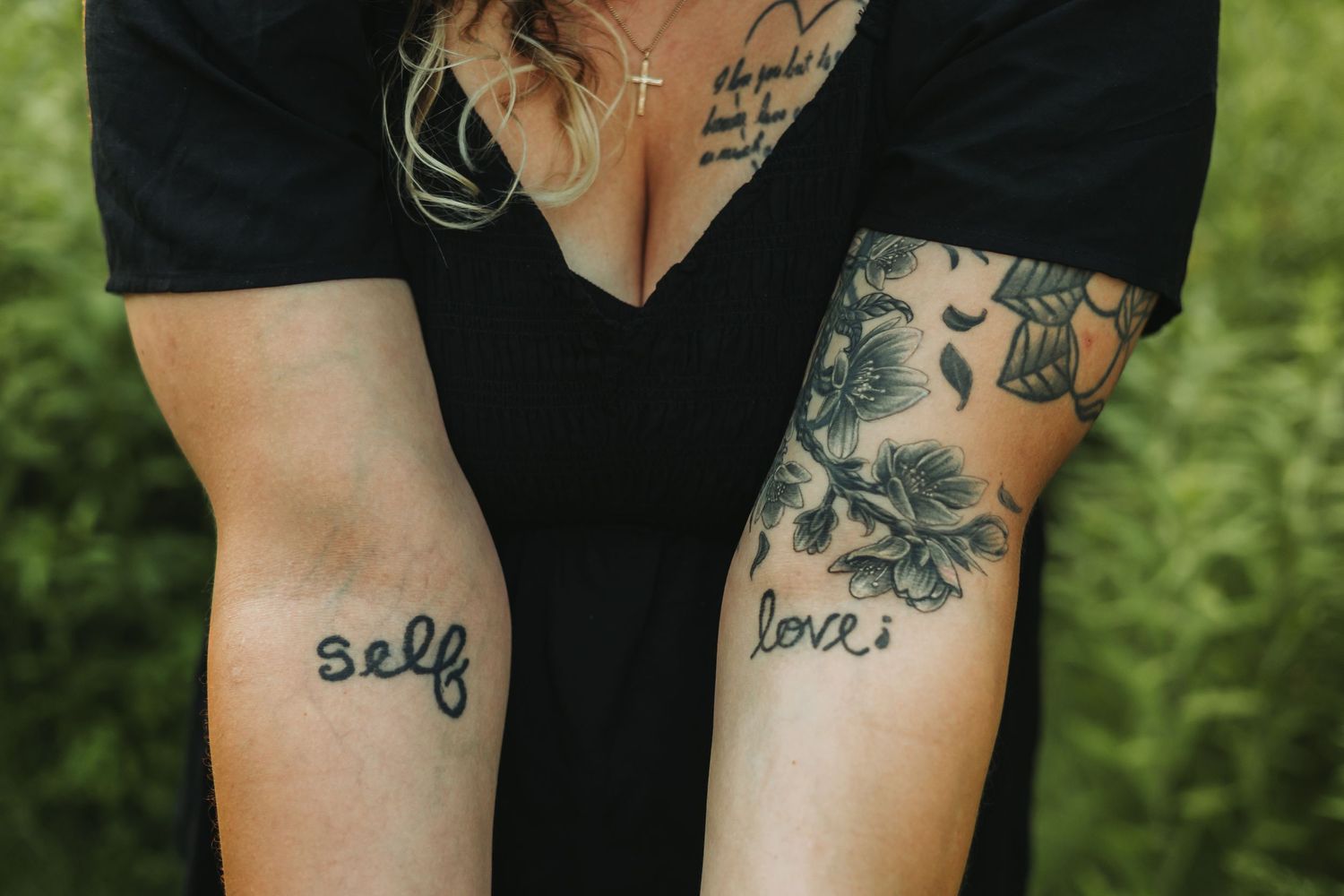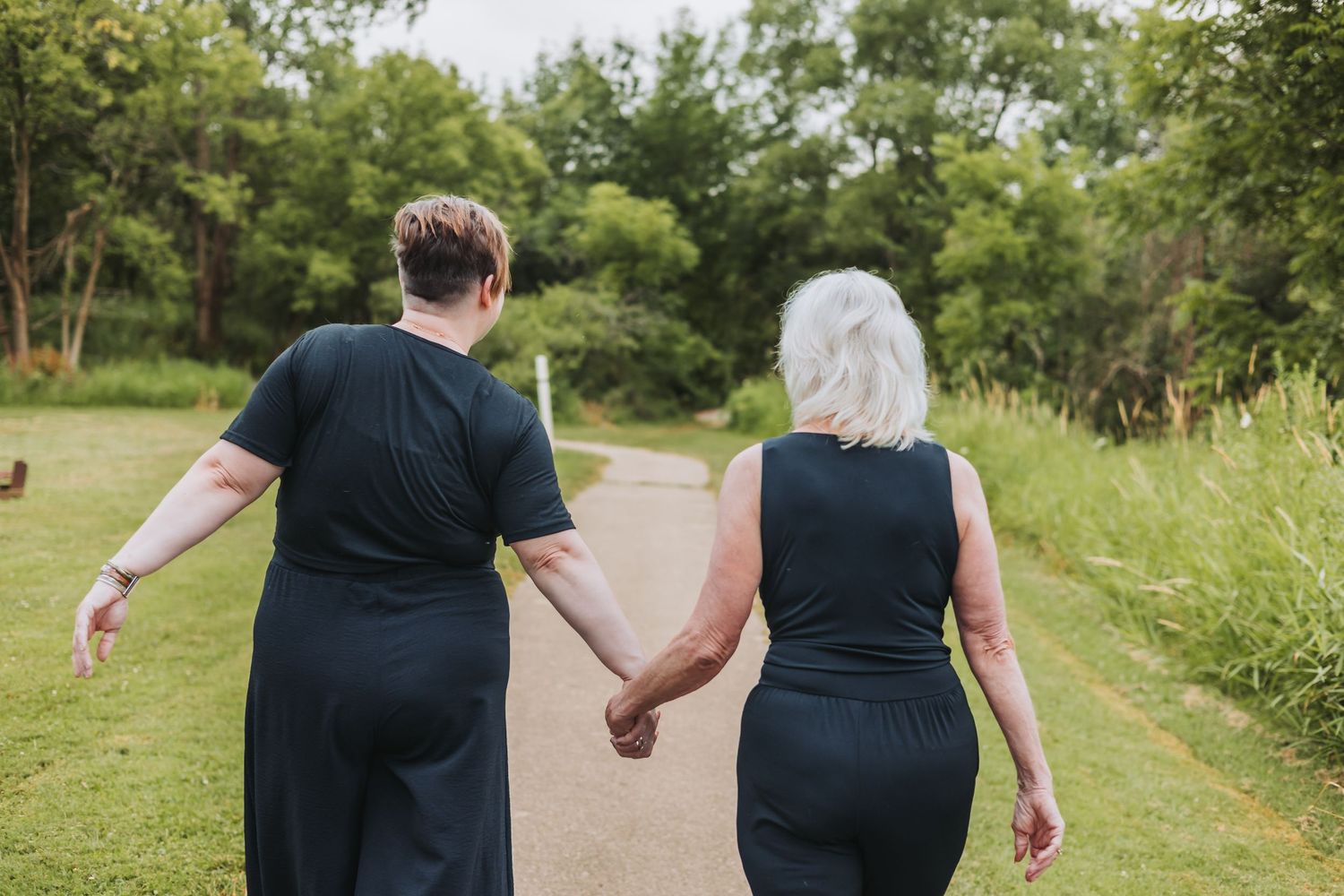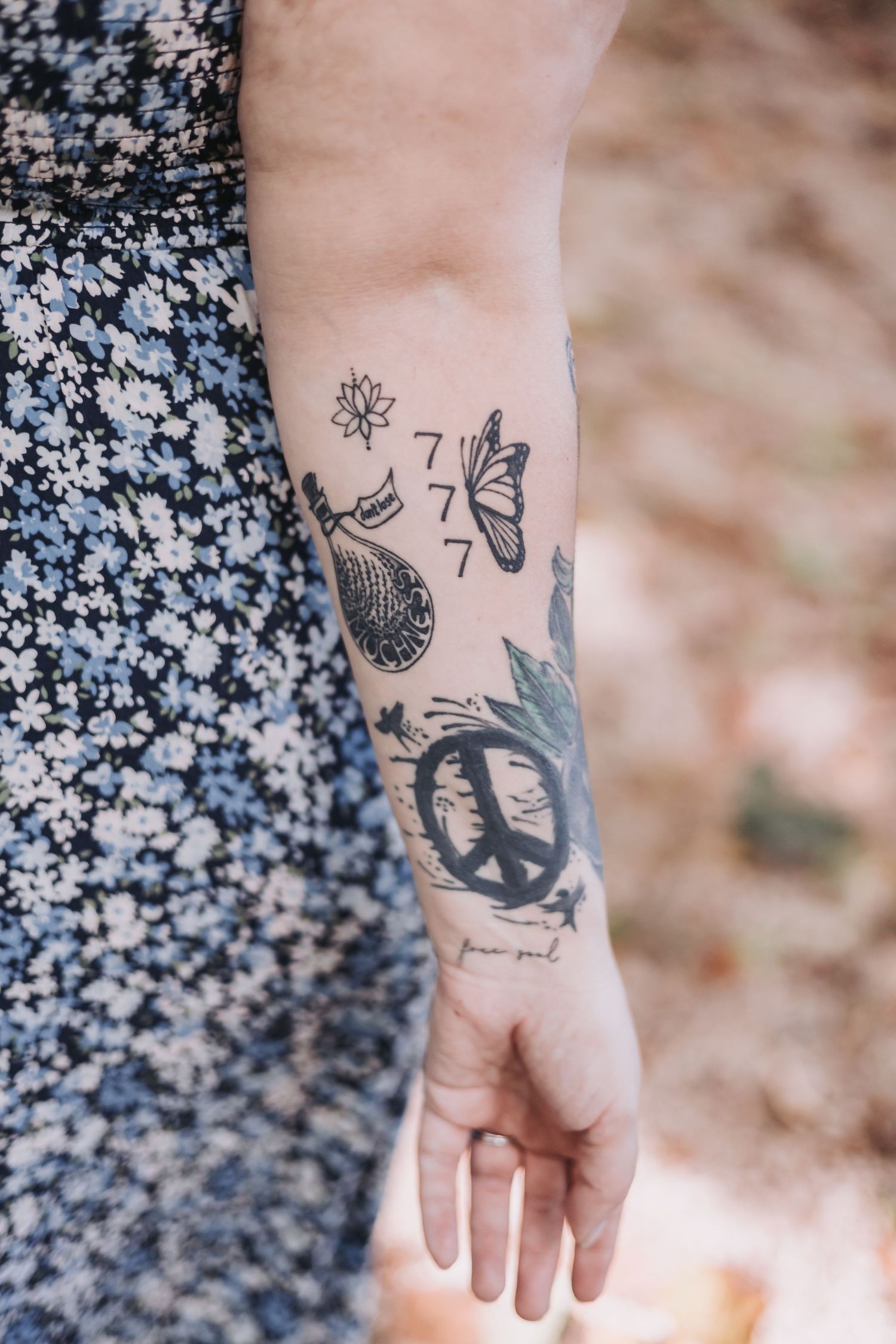
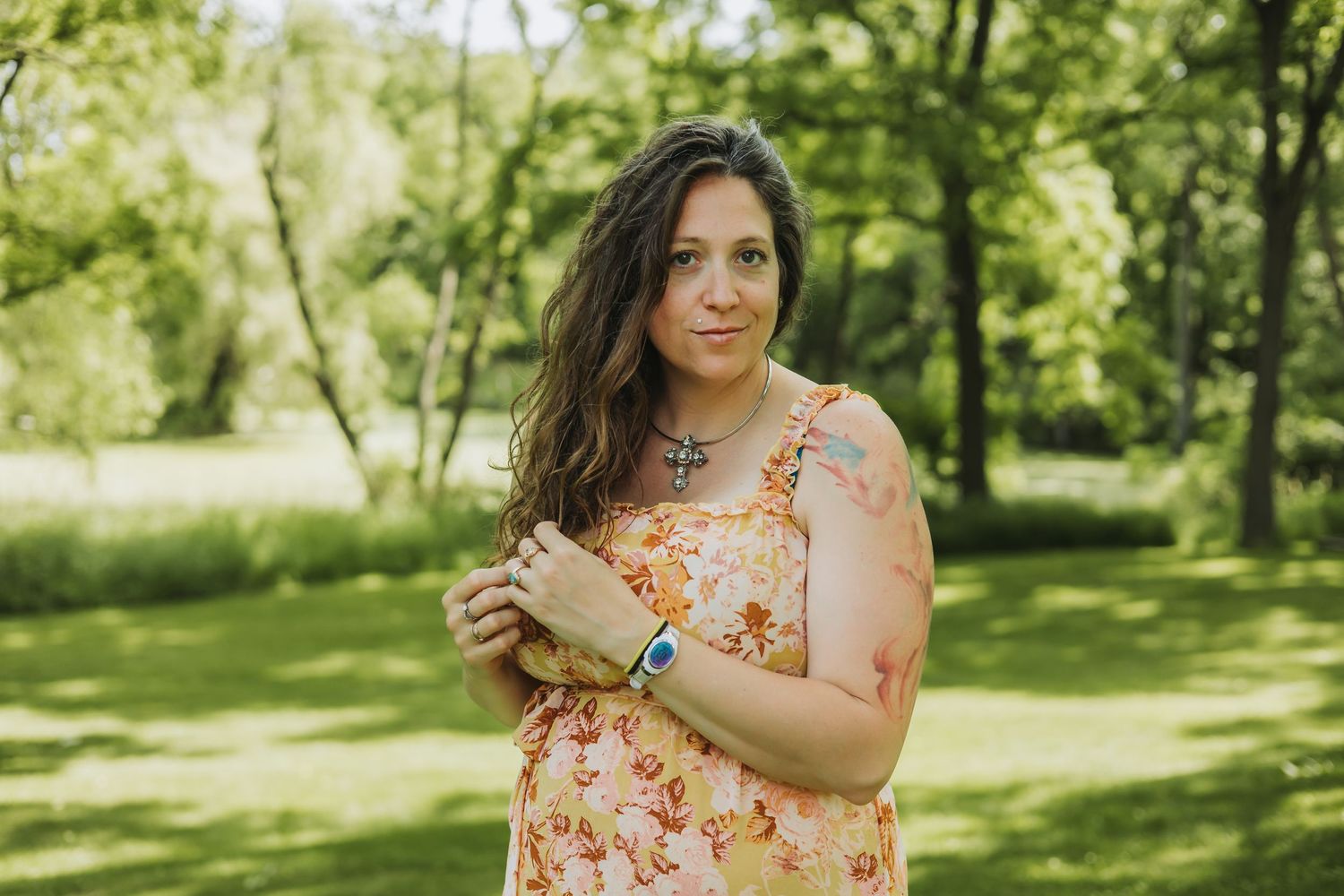

KATIE'S STORY: 20 YEARS CLEAN, 13 YEARS SOBER, AND A LIFE SHE CHOSE TO STAY FOR
"The last day I drank was also the day I attempted suicide."
For Katie, sobriety has never been casual.
It has never been a passing goal, a temporary challenge, or something she could afford to take lightly. Since that day 13 years ago, she has viewed being clean and sober in the clearest terms possible:
Life or death.
Katie is 39 years old. She has been clean from cocaine for 20 years and sober from alcohol for 13. Her journey has been built one day at a time—but in the beginning, sometimes it was built 30 days at a time.
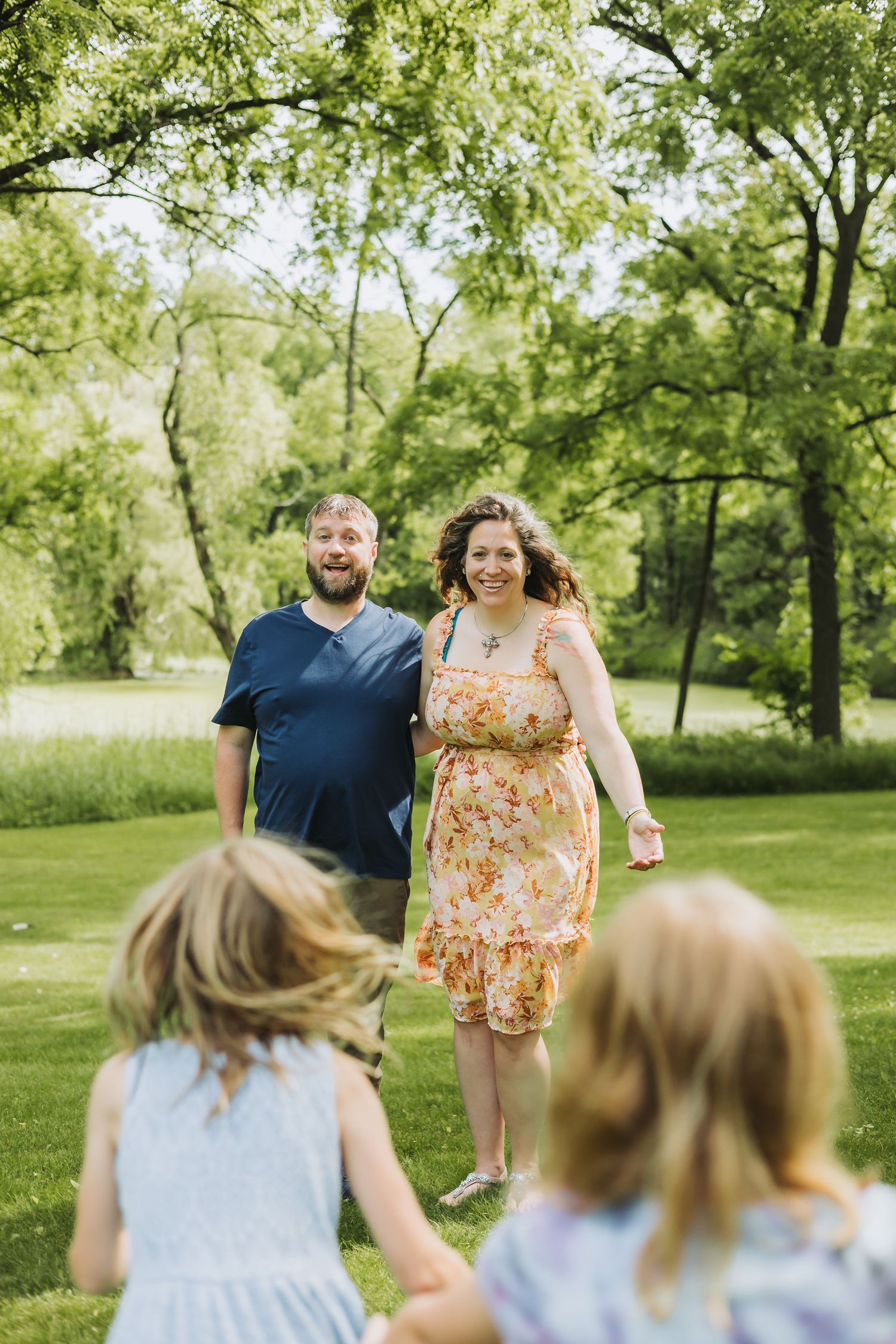
Today, she is a fiancee, a mother to two beautiful girls, a crocheter, a business owner, a part-time Kwik Trip employee, and someone working toward the dream of growing her taxidermy business into a full time career.
She is also someone who knows exactly how much can exist beneath the surface of another person's life.
Because for a long time, addiction was covering pain.
Katie's turning point came after a suicide attempt.
She was admitted to an inpatient mental health unit at the hospital, where she was told she needed to remain sober for 30 days. At the time, she didn't suddenly see the next 13 years stretching out in front of her. She didn't immediately understand her life as the gift she sees it as today.
She simply focused on what was directly ahead.
Thirty days.
And then, when she reached that point, she told herself she could do 30 more days.
Then 30 more.
"I just kept telling myself that I could go 30 more days, and here I am 13 years later."
There is something deeply human in that.
Sometimes recovery begins with a sweeping promise about forever. Sometimes it begins with getting through today. Sometimes it is 30 days—and then deciding, when those 30 days are over, to try for another 30.
For Katie, that decision became a life.
Katie is open about something she wishes more people understood: addiction was never the whole story.
"For me, addiction was just a band-aid for the immense pain I was going through."
Later, severe anxiety in social situations contributed to her drinking. Alcohol became a way to cope, but that coping mechanism created more pain and more shame.
The cycle continued.
Pain led to drinking. Drinking led to shame. Shame created more pain.
Sobriety meant learning how to stop covering those emotions and begin facing them instead.
Today, Katie says she embraces all of her emotions so she can work through them and eventually begin to feel better again. Sobriety has not made life free from challenges, but it has changed the way she meets them.
"I feel like I can face any challenge life gives."
That may be one of the quietest transformations of recovery: not a life where nothing hurts, but a life where pain no longer has to be escaped at any cost.
One of the most difficult parts of Katie's journey is something many sober people in Wisconsin know all too well.
Alcohol is everywhere.
Birthdays. Weddings. Holidays. Cookouts. Sporting events. Celebrations. Grief. Friday nights. Tuesday nights. Special occasions and completely ordinary ones.
In Wisconsin, drinking is so deeply woven into social culture that declining a drink can sometimes make other people visibly uncomfortable.
Katie has experienced that firsthand.
For someone protecting a sobriety that she views as life or death, navigating a culture where alcohol can feel like a requirement adds another layer to the journey. Her choice not to drink is not an invitation for debate, pressure, or persuasion.
It is a choice to protect the life she has built.
Katie speaks with deep gratitude about the people who have supported her along the way.
Her best friend has been beside her through it all. She visited Katie in the hospital. She went to church with her, something Katie says has helped her tremendously throughout her sobriety. And year after year, she remembers Katie's soberversary.
Then there is Katie's fiancé, who is also sober and has become one of her greatest supporters.
Katie jokes that his commitment to protecting her sobriety runs deep—so deep that when she once jokingly moved to take a drink just to see what he would do, he nearly slapped it out of her hand.
Behind the humor is something Katie does not take for granted:
She is supported.
She has a family that respects her sobriety. She has people who understand what it means. She has built a loving relationship with her fiancé and has become a mother to two beautiful girls.
When Katie talks about what she is most proud of, her family is at the center of it.
But so is her honesty.
She is proud to speak openly about where she has been, because she hopes her story may reach someone who is still struggling.
When asked what she is most grateful for when she looks at herself today, Katie gave an answer that says so much in so few words:
"I'm grateful that gratitude is even a part of my vocabulary."
She is thankful for the small things.
That kind of gratitude does not erase what happened to her. It does not pretend every day is easy. Katie is clear that some days feel lighter, while others truly test her.
But because she has maintained such a firm understanding of what relapse could mean for her, she has worked hard to find happiness and peace within herself.
And along the way, sobriety has given her something else: empathy.
Katie understands now that we rarely know the full weight another person is carrying. We do not always know the pain behind someone's behavior, the battle happening quietly, or the difference one small act of kindness could make.
Her own journey has taught her to look at people with more compassion.
Katie has been clean from cocaine for 20 years.
She has been sober from alcohol for 13.
And every year, she chooses to honor that journey by doing something special for herself.
That is part of why she wanted to participate in The Second Chance Project.
Her sobriety is not something she wants to hide. It is something she has fought for, protected, nurtured, and built a life around. It deserves to be acknowledged.
Today, Katie dreams of growing her taxidermy business into a full time career. She spends time with her family. She crochets. She works. She loves. She feels her emotions instead of running from them. She notices the small things.
And when asked what a "second chance" means to her, Katie said:
"Having a chance to be the best version of myself, and help others in their sobriety journey in any way I can."
For someone currently struggling, Katie's message is simple: talk to someone. Seek out support. Check out AA. For those who find strength in faith, she encourages reaching toward church and spiritual community, just as she did.
Because sometimes the beginning is not a promise that you have the rest of your life figured out.
Sometimes it is simply telling yourself:
I can go 30 more days.
And then doing it again.
Until one day, you look back and realize how much life you stayed to see.
______________________________________________________
reflections from the photographer
There are some stories I hear through The Second Chance Project that stay with me in a very particular way, and Katie's is one of them.
What struck me most was not only the number of years she has been clean and sober—although 20 years clean from cocaine and 13 years sober from alcohol is absolutely worth celebrating.
It was the life inside those years.
Katie's story began from a place of profound pain. She speaks openly about the fact that her last day drinking was also the day she attempted suicide. I do not take that vulnerability lightly. Sharing something like that means allowing people to see a chapter that many would rather keep hidden.
But Katie's story does not end there.
It continues into motherhood. Into love. Into a relationship with a fiancé who supports her sobriety. Into friendship. Faith. Crocheting. A taxidermy business she dreams of taking full time. Into gratitude for small things.
That is what I kept thinking about while reflecting on her story:
She stayed long enough to meet versions of herself she had not met yet.
The mother.
The fiancee.
The business owner.
The woman who can sit with difficult emotions and trust herself to survive them.
The woman who knows that a small act of kindness can chance something in another person's life.
As the photographer behind The Second Chance Project, I never want these sessions to reduce someone to the worst thing that happened to them, the substances they used, or the darkest moment of their life.
I want to photograph the person who is here now.
And Katie is here.
Twenty years clean from cocaine. Thirteen years sober from alcohol. Building a family. Building a business. Building a life where gratitude is part of her vocabulary.
Katie, thank you for trusting me with your story.
Thank you for staying.
And thank you for allowing me to honor the life you fought so hard to keep.
Xo, Tierney