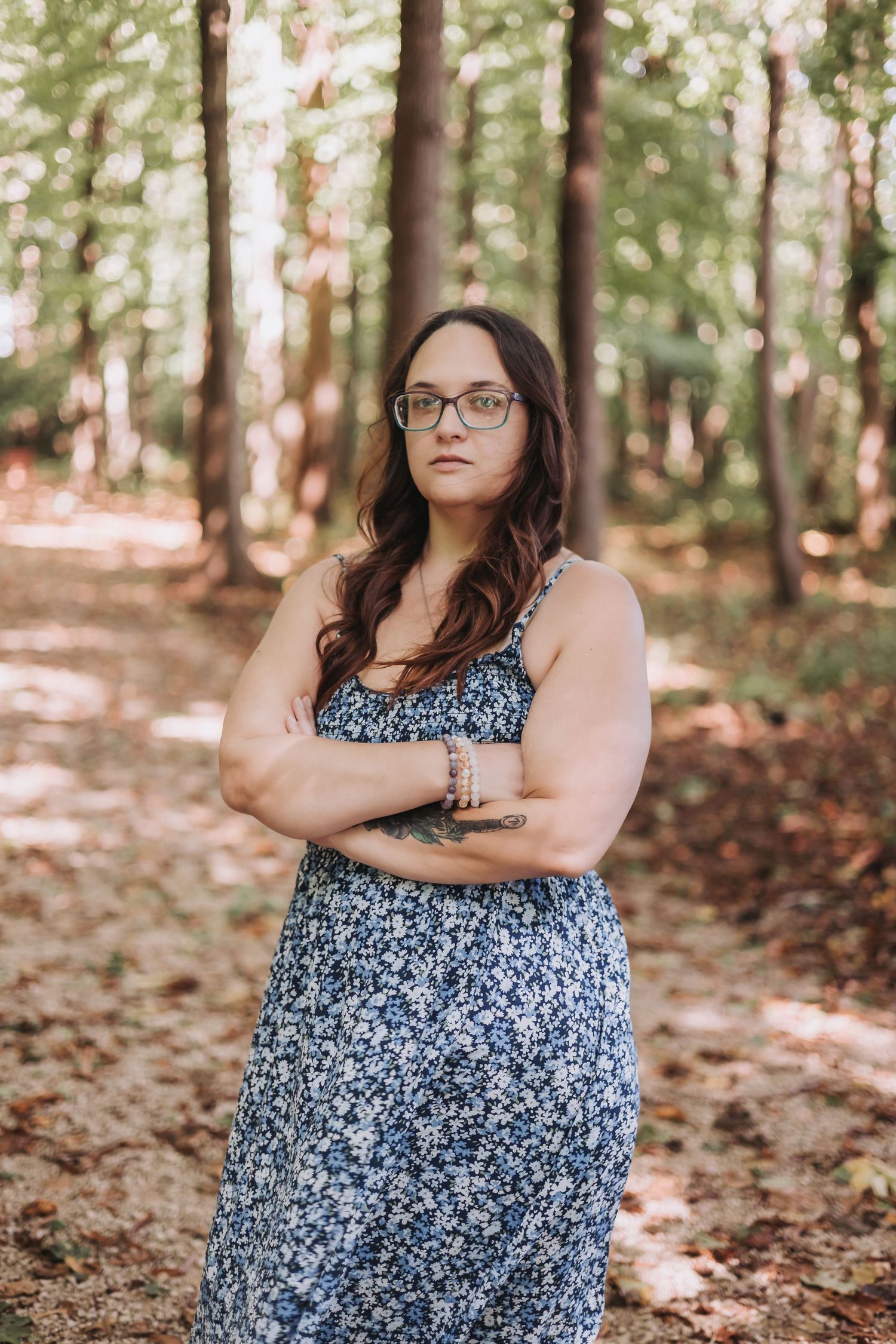
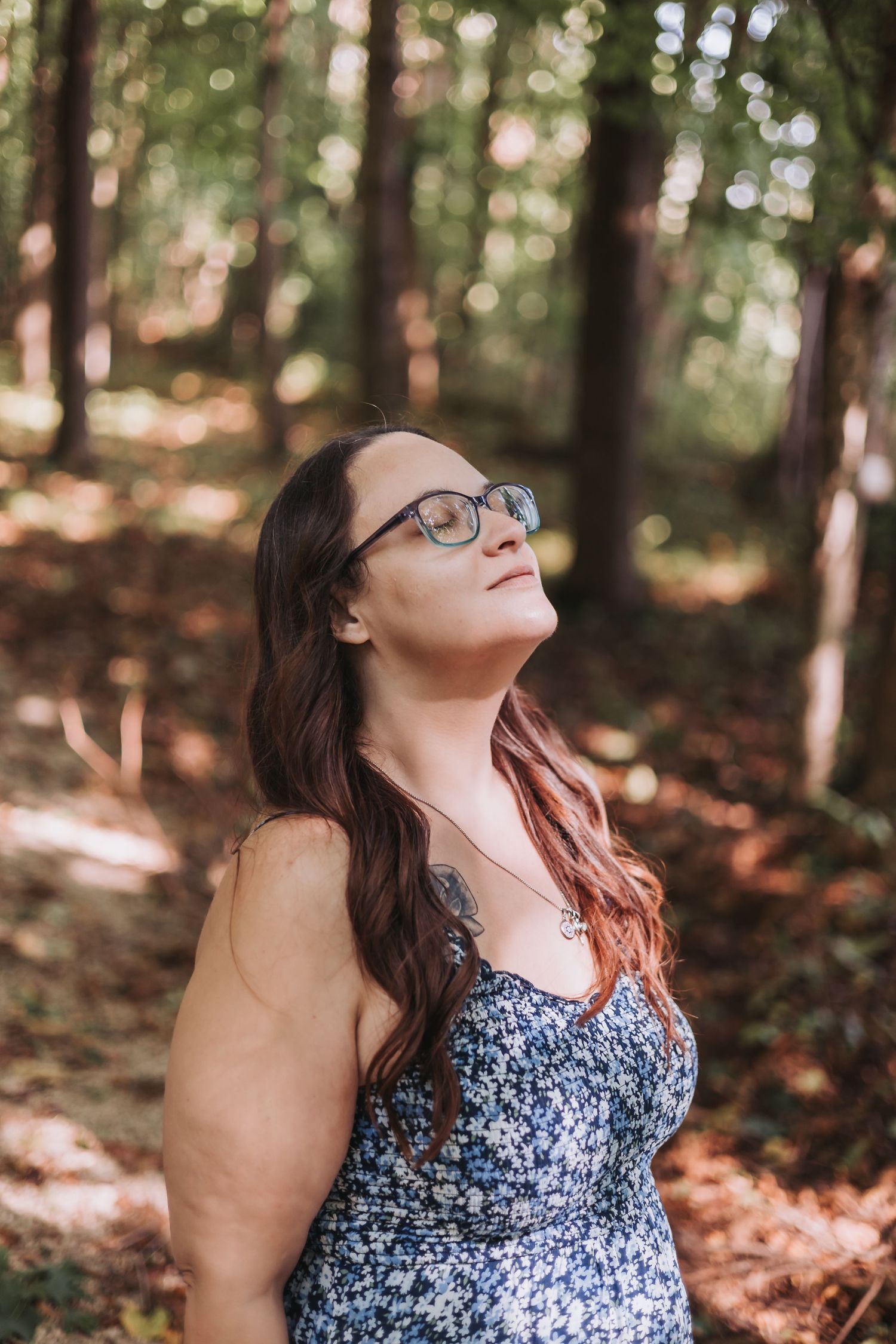
this is what freedom looks like: danielle's story
Danielle describes her recovery journey with one word: unconventional.
She has been in recovery from amphetamines for more than ten years and stopped drinking alcohol in 2018. Her path does not follow one prescribed formula—and she does not believe anyone else's should have to, either.
Danielle's recovery is rooted in resilience, grief, self-discovery, and harm reduction. It is a journey she has built around what genuinely helps her remain present, continue healing, and choose her life each day.
Today, Danielle is a wife, mother, and a passionate cannabis expert. She has spent more than 23 years studying cannabis and now works at a wellness store she loves.
Her career is more than a job. It is an extension of her passion for cannabis education and harm reduction—an approach that has played a meaningful role in her own recovery.
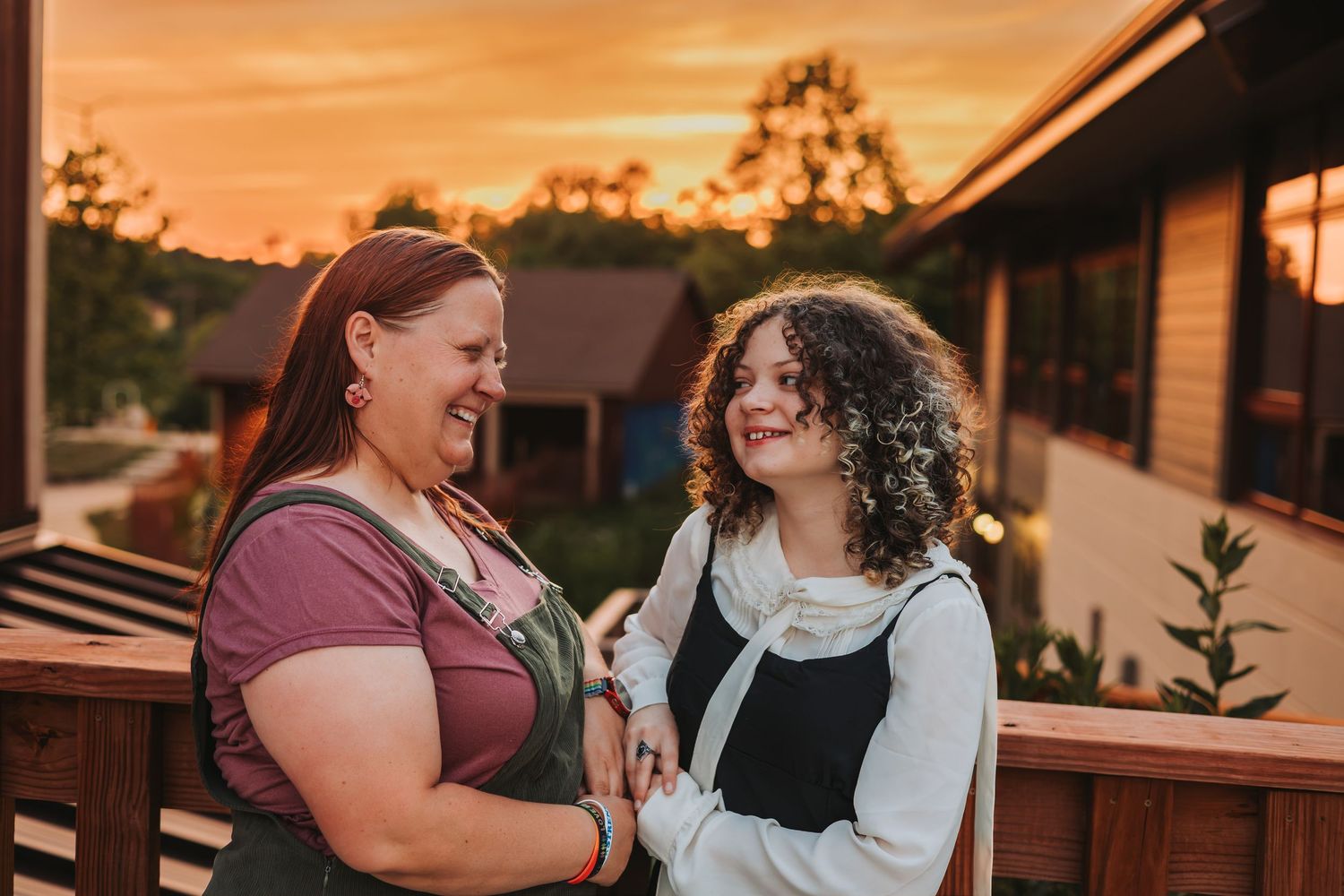
Still, the center of Danielle's world is her family.
"My family is my foundation," she shared. "They are who I am."
The life Danielle has now is one she fought incredibly hard to reach. But learning to embrace that life also required her to confront—and eventually release—the person she had been during active addiction.
She had to learn that her past was part of her story, but not the entirety of who she was.
"Who I was in active addiction isn't who I am, and doesn't define me," Danielle said. "I had to learn to face the real me and learn to love myself."
Danielle's decision to pursue recovery was shaped by devastating loss.
In 2014, she lost one of her best friends, Amanda, to addiction. Two years later, in 2016, she lost her other best friend, Maria, the same way.
The los of both women became a turning point in Danielle's life. In 2018, she stopped drinking alcohol.
Getting into recovery did not make the grief disappear. Learning to live with the loss of Amanda and Maria has remained one of the most difficult parts of Danielle's journey.
Recovery required her to feel what she could no longer escape. It meant grieving the people she loved while also grieving pieces of her former identity. It meant looking honestly at herself, choosing to keep going, and slowly learning that she was still worthy of love—including her own.
Through every painful season, Danielle remained resilient.
That resilience—and the beautiful family she has today—are what make her most proud.
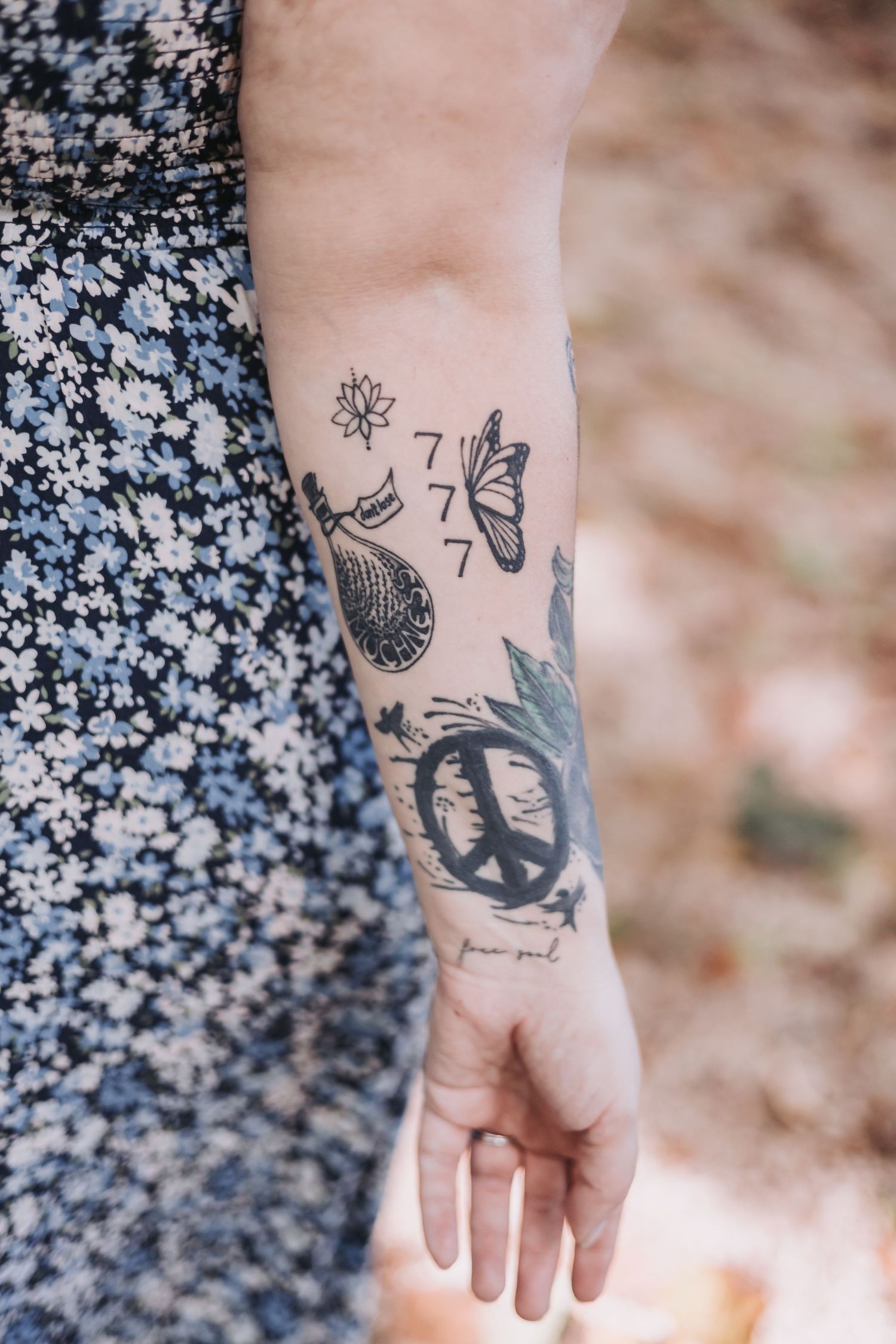
One of Danielle's earliest reasons to keep fighting was her cat, Lotus.
Lotus remained beside her through the years and became an important part of how she made it as far as she did. He passed away on June 6, 2026, leaving behind a love and presence that will always be woven into Danielle's recovery story.
In 2017, Danielle also discovered Reiki, an experience she describes as life-changing. Alongside Reiki, cannabis and harm reduction became important parts of the path she created for herself.
Danielle's story challenges the belief that recovery must look exactly the same for everyone.
"There isn't just one way to do it," she explained. "Not every story is the same. You have to do what works for you."
For one person, that may mean harm reduction. For another, it may mean stopping completely. For someone else, conventional rehabilitation may be the right choice.
Danielle believes the most important thing is finding an approach that gives a person the greatest opportunity to keep trying and ultimately succeed.
Recovery is deeply personal. What saves one person may not be what saves another—and a path does not become less meaningful simply because it looks different.
To anyone else struggling with addiction, Danielle's message is simple:
"Just keep trying. Don't give up. You are loved."
There is no demand for perfection in those words. There is only encouragement to survive the next moment, make the next choice, and try again whenever necessary.
Danielle understands that recovery is not a single decision made once. It is something she continues to choose while raising her family, growing her career, grieving those she has lost, and learning to love the person she is today.
Sobriety from amphetamines and alcohol did not simply change Danielle's habits. It changed her relationship with her own existence.
"Sobriety made me want to live," she said. "Sobriety put me in charge of me. Sobriety made me free."
For Danielle, a second chance means freedom.
It is the freedom to live, the freedom to choose happiness, and the freedom to love. It is being present for her family, directing her own future, and waking up knowing that her life belongs to her again.
When Danielle looks at herself today, she is most grateful simply to be here—to be alive, to be free, and to be able to love her family.
She came to The Second Chance Project because she has never had beautiful photographs taken of herself.
But her reason reaches much deeper than wanting a new photograph.
"I want to see what I look like now that I am free."
Danielle deserves to see that woman.
The woman who survived. The woman who kept trying. The woman who endured unimaginable grief without allowing it to take her, too. The woman who found her own way forward and created a beautiful family and meaningful life on the other side.
This is not a portrait of the person Danielle was in active addiction.
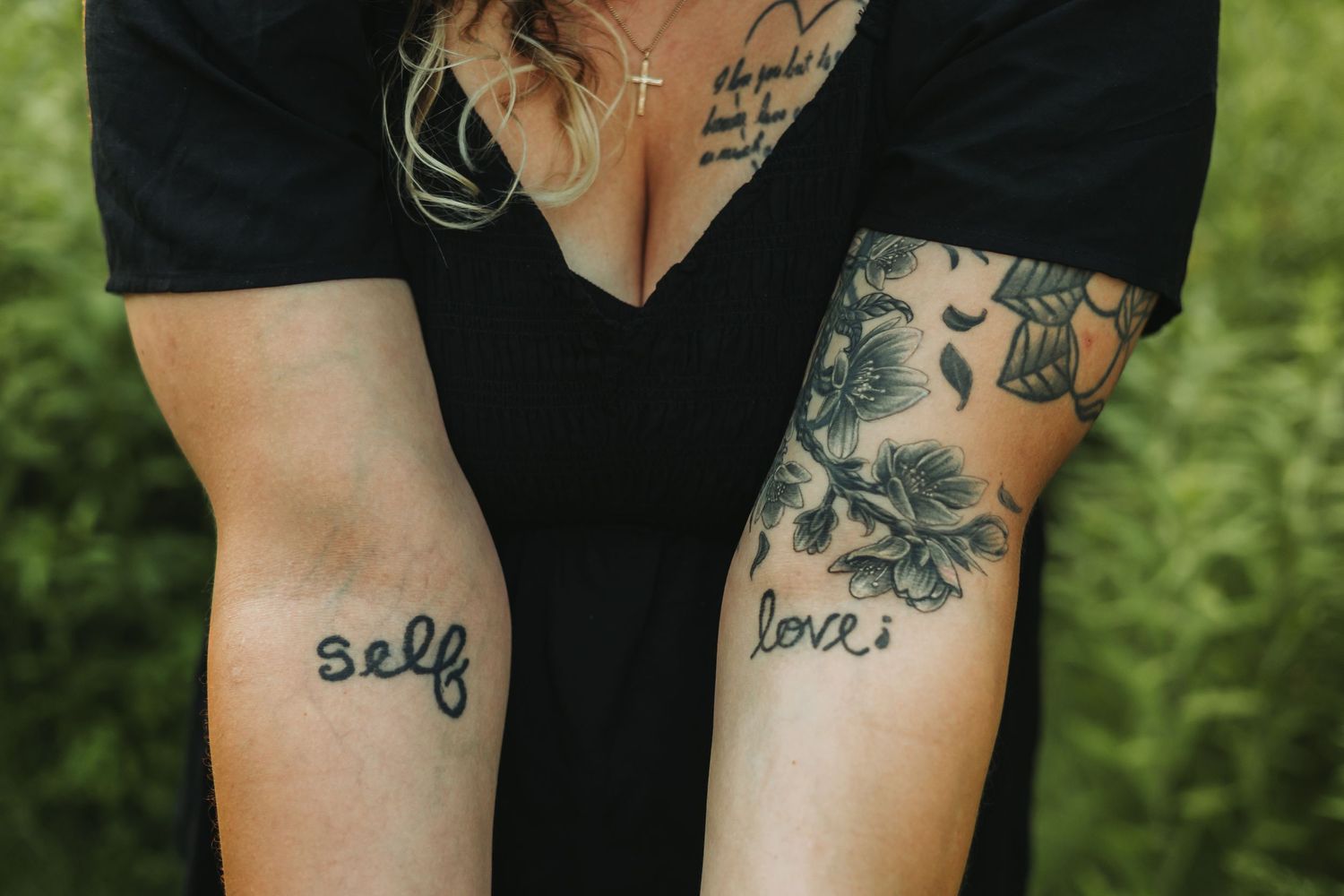
This is portrait of the person she fought to become.
This is what freedom looks like.
____________________________________________________
Reflections from the photographer
Danielle's story is an important reminder of why The Second Chance Project exists.
Recovery is not one size fits all. It is not a perfectly straight path, and it cannot always be placed inside a neat little box. Sometimes a second chance begins when someone stops trying to recovery in the way the world expects and starts discovering what genuinely helps them stay alive.
Danielle trusted me with a story filled with grief, resilience, love, and freedom. She allowed herself to be honest about the friends she lost, the person she used to be, and the work it took to love herself again.
What stayed with me most was her reason for applying: she wanted to see what she looks like now that she is free.
That sentence is everything.
Because these sessions are not about pretending the past never happened. They are about showing someone that the person standing on the other side of it deserves to be witnessed, celebrated, and remembered.
Danielle, thank you for trusting The Second Chance Project with your story. Thank you for reminding us that there is more than one way to recover and that an unconventional path can still lead somewhere beautiful.
I hope these photographs show what the people who love you already see:
You are still here.
You are worthy.
You are free.
Xo, Tierney